SPORTS SCIENCE MADE EASY

Understand your training

Clear explanations of endurance training, testing and race preparation — with practical ideas you can discuss with your coach.

Start here

Find the right starting point

Compare VO2max, lactate and INSCYD — and choose the test that answers your question.

Cycling, running and triathlon testing — what to book first.

Body composition, RMR and healthy-ageing assessments.

Use your results in a plan — remote or with the EL Squad.

From the science to your next session

Training with purpose

Understand intensity, recovery and progression. Our coaching uses a seven-zone system, adapted to the athlete and the information available.

Making sense of testing

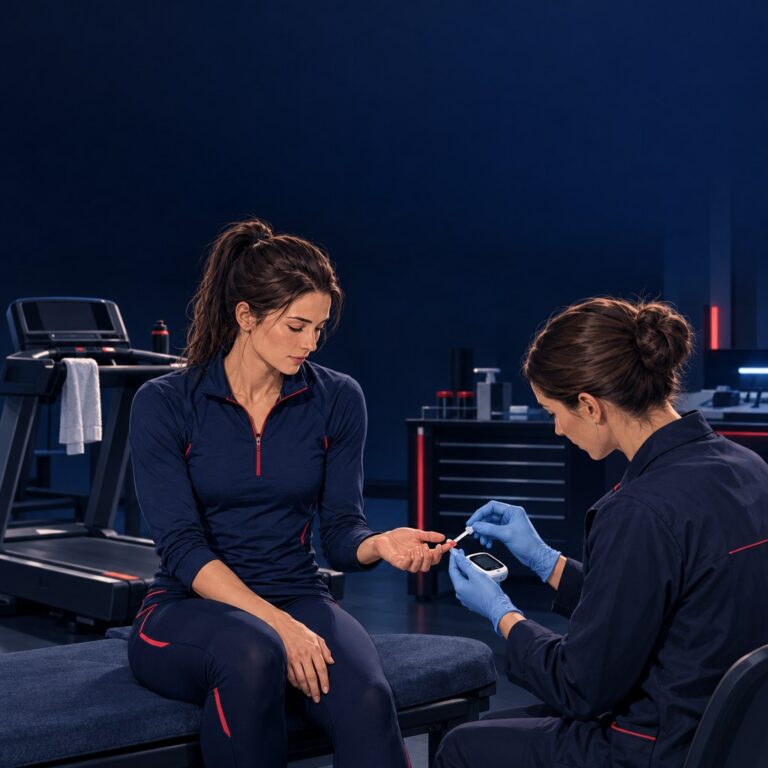
Learn what a test can tell you, what it cannot, and how to connect the findings with your goals.

Learning together

Connect practical explanations with your experience in training, testing and the Endurance Lab community.

The book · Tiago Dias

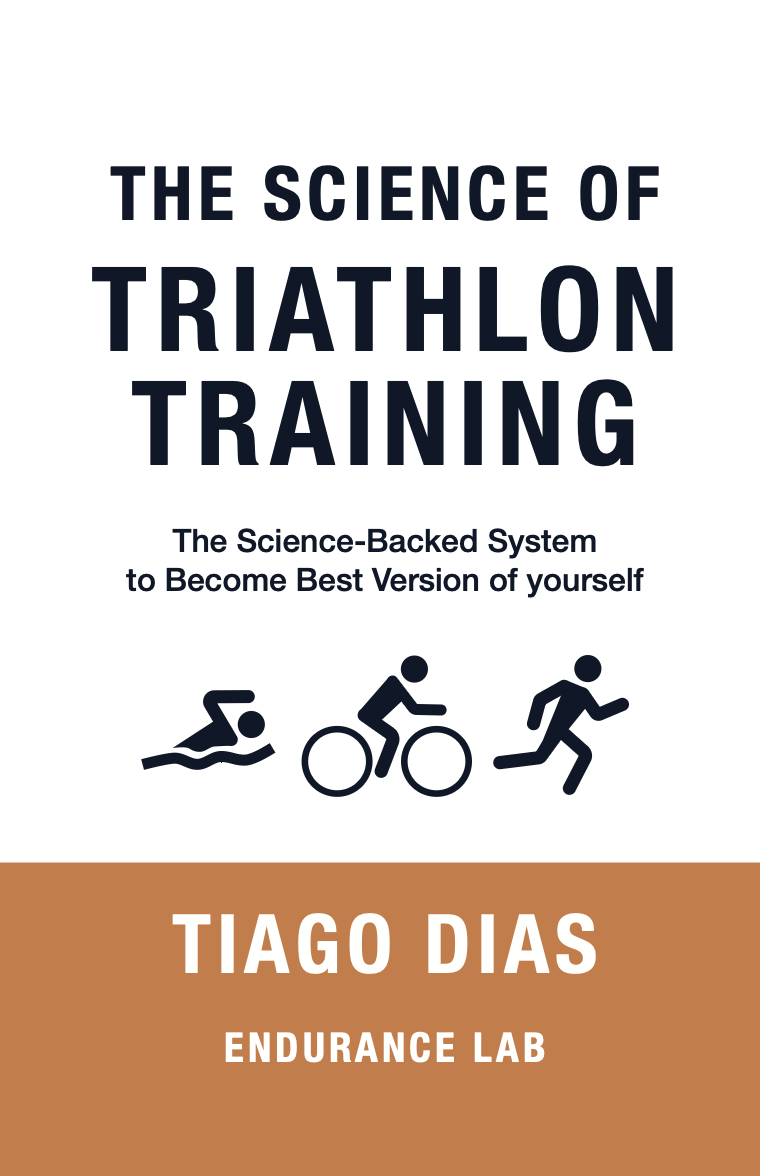
The Science of Triathlon Training

The Science-Backed System to Become the Best Version of Yourself

A practical guide connecting endurance physiology with coaching and race preparation — written by Endurance Lab founder Tiago Dias.

Latest articles

Sports Science Made Simple

Get new articles by email

Practical endurance science, testing explained and squad news — straight to your inbox. No spam.

Glossary

Sports science terms, made simple

The highest rate at which your body can take in and use oxygen during hard exercise — a measure of aerobic capacity.

The intensity above which lactate starts to accumulate in the blood faster than it is cleared. Useful for setting training zones and pacing.

Ranges of intensity (heart rate, power or pace) used to structure easy, steady and hard training. The Endurance Lab Method uses seven zones.

The intensity at which your body burns the most fat. Measured in metabolic tests such as INSCYD.

An INSCYD measure of how quickly your body can produce energy from carbohydrate without oxygen — linked to sprint ability and how fast carbohydrate is used.

Resting metabolic rate: the energy your body uses at rest. Not the same as your total daily energy needs.

The number of years lived in good health. Aerobic fitness, strength and body composition are useful markers.

Put the learning into practice

A good training plan fits your life and explains the purpose of the work. Choose Remote, Squad or Support coaching for a personalised approach.