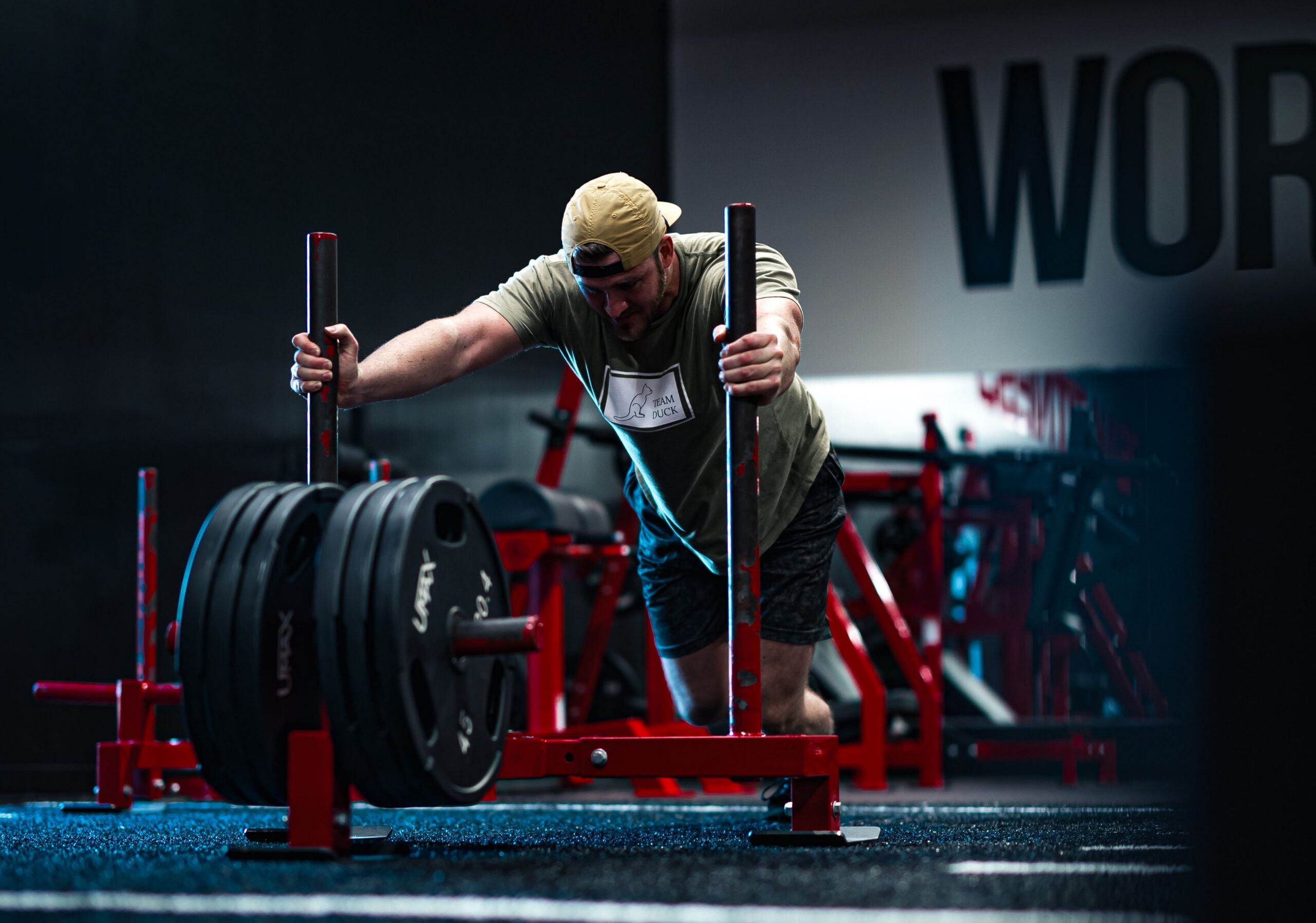
How to Train for an Obstacle Course Race (OCR)

Obstacle course racing combines running with carrying, climbing, crawling and hanging. The best OCR athletes are good runners who stay strong when tired.

Running first

Most OCR time is spent running, often on hills and rough ground. Build an aerobic base with mostly easy running, plus hill sessions.

Strength and grip

Two strength sessions a week should include pulling, carrying and grip work: dead hangs, farmer’s carries and rows.

Train under fatigue

Combine running and strength in the same session so you learn to handle obstacles with a high heart rate.

Recovery

Lighter weeks every three to four weeks keep your joints and tendons healthy as load rises.

Ready to start?

The Endurance Lab OCR training plans come in four levels (Start, Develop, Perform and Podium), in heart rate, pace and power versions. Use Find your plan to filter by level, the hours you have each week and the weeks until your event. New to training by effort? Read our RPE guide and training zones guide first.

© 2026 Endurance Lab. All rights reserved.

Next step

Measure it in the lab

Book a VO2max or lactate test in Dún Laoghaire and get your results explained in plain language.

Next step

Train with a plan built on your data

Personalised TrainingPeaks coaching — remote, or with the EL Squad in Dublin.

Next step

Know your numbers

Measure your body composition and resting metabolic rate to plan fuelling with real data.

Next step

Book a recovery appointment

Sports massage, neuromuscular therapy and Reiki in Dún Laoghaire — book and pay online.

Next step

See where you stand

A healthspan assessment turns fitness and healthy-ageing markers into practical next steps.

Next step

Race with a plan

Set accurate zones in the lab and prepare with a coach who plans your pacing.

Next step

Train with the EL Squad

Group S&C, a weekly track session and Sunday rides with athletes on the same system.

Next step

Put the science into practice

Test in the lab or train with a coach who uses your data.

Sports Science Made Simple

Get new articles by email

Practical endurance science, testing explained and squad news — straight to your inbox. No spam.

Recent Posts:

How to train for an obstacle course race: running base, hills, strength, grip and practising...
How to improve your FTP and ride a faster 20 km or 40 km time...
How to train for a gravel race: aerobic base, surges and climbing, bike handling, fuelling...