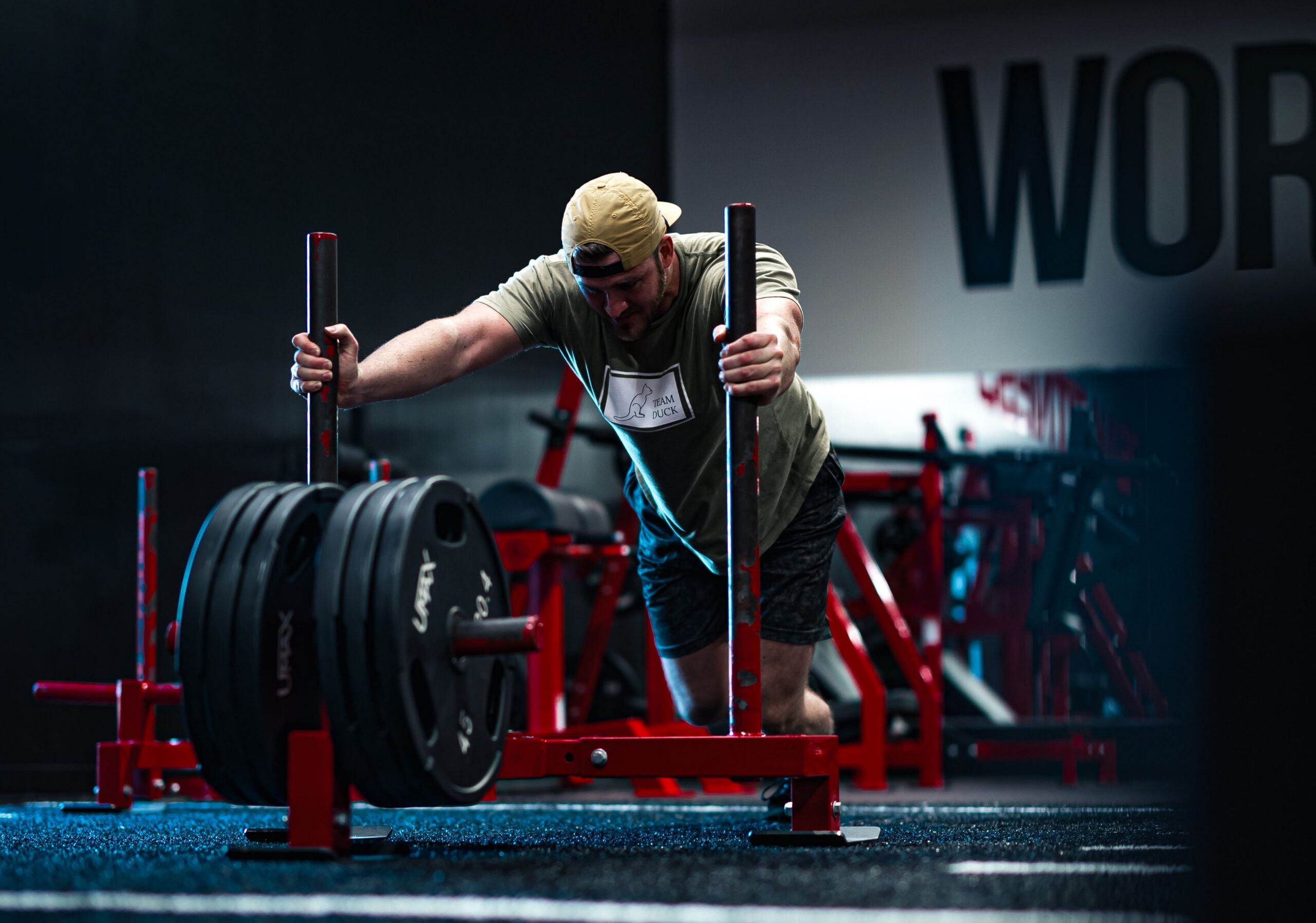
RPE tells you how hard exercise feels. It helps you keep an easy run easy, control your cycling intervals and adjust sensibly when the weather, terrain or your energy levels change.
If you follow an Endurance Lab training plan on TrainingPeaks, you will see effort targets alongside your workouts. This guide explains our RPE scale for running, cycling, swimming, triathlon and obstacle course racing (OCR), so you can carry out each session with confidence.
By Tiago Dias, sports physiologist and coach, Endurance Lab, Dún Laoghaire, Dublin.
What is RPE in training?
RPE stands for Rate of Perceived Exertion. You rate your overall effort from 0 to 10: zero is rest and ten is maximal effort. Consider your breathing, muscular effort and how demanding the activity feels as a whole.
Ask yourself: “How hard am I working right now?” Avoid rating only one sensation, such as tired calves, or choosing the number you think your watch expects.
Power and pace describe your output. Heart rate describes part of your body’s response. RPE adds your experience of producing that output. Together, they help you understand whether you are delivering the intended session.
Practise checking your effort before looking at your device. Compare the two afterwards. With repetition, you will become more confident recognising the difference between relaxed endurance work, controlled threshold effort and genuinely hard intervals.
The Endurance Lab 0–10 RPE scale
The table links each RPE level to the Endurance Lab Method. Some values overlap because effort is a continuum. At RPE 3 or 8, the workout’s stated zone, interval duration and purpose help you interpret the target.
| RPE | Scale description | Zone relationship | Practical feeling |
|---|---|---|---|
| 0 | Rest | No active training zone | No exercise effort; normal breathing. |
| 1 | Very Easy | Z1: below RPE 2 | Relaxed breathing and effortless conversation. |
| 2 | Easy | Z2: RPE 2–3 | Comfortable breathing; full sentences come easily. |
| 3 | Moderate | Z2–Z3 overlap | More purposeful movement; conversation remains possible. |
| 4 | Somewhat hard | Z3: RPE 3–4 | Deeper breathing; talking needs more pauses. |
| 5 | Hard | Z4: RPE 5–6 | Strong, controlled breathing; short phrases. |
| 6 | Between Hard and Very Hard* | Z4: RPE 5–6 | Concentration required; conversation is difficult. |
| 7 | Very Hard | Z5: RPE 7–8 | Heavy breathing; only a few words comfortably. |
| 8 | Between Very Hard and Maximal* | Z5–Z6 overlap | Very demanding; focus on completing the prescribed effort. |
| 9 | Between Very Hard and Maximal* | Z6: RPE 8–maximal | Near-limit effort; talking is impractical. |
| 10 | Maximal | Z6 upper end; Z7 maximal sprint | Maximum effort for the task and its duration. |
*The RPE guide leaves levels 6, 8 and 9 unnamed. These phrases explain their position between the named anchors; they are not additional scale labels.
Talking ability is a useful check during running and cycling. In swimming, judge breathing control, stroke quality and your ability to maintain the effort instead of trying to talk while swimming.
How long could you hold each effort?
Z1 and Z2 should feel sustainable for a long time relative to your fitness. Experienced, appropriately fuelled athletes may sustain low-intensity work for hours; beginners should still follow their prescribed duration.
Our guide describes Z3 efforts lasting up to three hours, depending on preparation. Z4 corresponds to approximately 40–60 minutes of sustained effort, Z5 to approximately 3–8 minutes, and Z6 to approximately 30 seconds–1 minute. Z7 is a maximal burst under 10 seconds.
These are descriptions of the effort, not instructions to test your limit. A workout can divide harder work into shorter repetitions. You do not need to reach exhaustion to establish that you used the right zone.
How to read RPE targets in your plan
“10 min RPE 2–3/10 (Z2)” means ten minutes of Zone 2 work, using an effort of two to three out of ten.
Start comfortably, settle into the effort and check that your breathing matches the target. You do not need to increase from two to three unless the workout specifically asks you to build.
If your usual pace now feels like RPE 5, slow down. If the target is Z4 at RPE 5–6, build smoothly into that effort instead of sprinting at the start.
Read the recovery instructions too. A Z1 recovery between intervals has a different purpose from the work interval. Keep it genuinely gentle, and follow the stated rest duration.
For the complete zone names and sport-specific targets, read Your Training Zones Explained: The Endurance Lab 7-Zone Method. You can also use our free zone calculator alongside a current threshold result.
When to let RPE guide an adjustment
Heat and altitude
In hot conditions, familiar pace or power can demand more effort. Reduce output to keep the intended intensity, and consider shortening the session if conditions are challenging. At altitude, particularly before acclimatisation, accept slower speeds or lower power for the same perceived effort.
Fatigue and illness
Poor sleep, accumulated training and everyday stress can make normal targets feel unusually hard. Begin gently and reassess. An easy session should not become a hard session simply to match yesterday’s numbers.
Illness changes the decision: RPE is not permission to train through it. Rest when unwell rather than trying to rescue the workout. Stop exercise if you develop chest pain, dizziness or unusual breathlessness, and seek medical advice.
Hills and wind
On a climb, shorten your stride or select an easier gear. Let pace fall while keeping effort appropriate. Walk a steep section if that is what your easy run requires.
A Dublin headwind can slow you substantially without reducing training value. Avoid chasing your normal speed into the wind or trying to “win back” lost time afterwards.
Heart-rate lag during intervals
Your heart rate takes time to respond when an interval begins. Starting harder to force it into a target zone can ruin the repetition. Use the prescribed pace or power with RPE, then allow heart rate to catch up. Heart rate is especially unsuitable as the main target for very short sprints.
Open-water swimming
Waves, currents, sighting and GPS errors make pace harder to interpret. Prioritise controlled breathing, relaxed technique and the intended effort. Swim in appropriate conditions with suitable supervision or companions; effort awareness does not replace water safety.
Three common RPE mistakes
Making easy days too hard. If you cannot speak comfortably during an easy run or ride, reduce the effort. Easy training builds consistency and leaves you ready for demanding sessions.
Making hard days too easy. When healthy and recovered, commit to the prescribed work. A Z5 interval should feel very hard, even if it begins under control. If repeated attempts never feel demanding, review your pacing and whether your threshold settings are current.
Chasing numbers on a bad day. Completing a target at any cost can change the session’s purpose. Adjust, shorten or stop when appropriate, and record what happened. Do not add extra intervals later to compensate.
Two worked session examples
Run: easy endurance with an effort check
Illustrative session: 10 minutes Z1, 20 minutes Z2 at RPE 2–3, then 5 minutes Z1.
Begin very easily. During the main block, check your breathing and conversation. If a hill lifts effort above the target, slow down or walk until it settles. Finish with relaxed movement. Record whether the middle block stayed comfortable, rather than judging success by average pace.
Bike: controlled threshold intervals
Illustrative session: 15 minutes gentle warm-up, then 3 × 6 minutes Z4 at RPE 5–6, with 3 minutes Z1 between repetitions, followed by 10 minutes easy.
Build into each repetition smoothly. Breathing should become strong and conversation limited, while pedalling stays controlled. Avoid a surge to force heart rate upwards. If the first repetition already feels near maximal, reduce output; if that persists, end the hard work. These examples illustrate execution and do not replace your own plan.
Make your feedback useful
- Read the target effort and recovery before you begin.
- Check your breathing and muscular effort during each work block.
- Adjust output if conditions change the effort.
- Record what you felt and any reason for an adjustment.
After training, note the effort of the work intervals, whether it changed and anything relevant: heat, sleep, fuelling or terrain. Distinguish interval RPE from your overall rating of the whole session.
Our training plans provide structure; your observations help you apply it. For a clearer starting point, explore Endurance Lab performance testing in Dún Laoghaire.
Frequently asked questions
1. Can I train using RPE without a heart-rate monitor?
Yes. Follow the workout’s effort, duration and recovery instructions. Practise recognising breathing and muscular effort, especially the difference between easy endurance and harder work.
2. Why does RPE 3 appear in two zones?
Our guide places Z2 at RPE 2–3 and Z3 at RPE 3–4. The stated zone and session purpose clarify the target where these ranges meet.
3. Should every hard interval reach RPE 10?
No. Follow its prescribed target. Z4 is RPE 5–6 and Z5 is RPE 7–8. Maximal effort belongs only where the workout specifically requests it.
4. Does RPE work for OCR training?
Yes, particularly for controlling running effort over changing terrain. Grip fatigue and obstacles add muscular demands, so record those separately when they explain an unusually hard session.
5. What if my device and RPE disagree repeatedly?
Check the sensor, conditions and recovery first. Review your threshold settings if the mismatch continues. Do not repeatedly force an easy workout to feel hard.
This is general training guidance, not medical advice. Consult a doctor before starting a new training programme.
Want sessions built around your own lab-tested zones? Explore Endurance Lab coaching.
Contact: info@endurancelab.ie
© 2026 Endurance Lab. All rights reserved.